
If you are getting ready for cataract surgery, you might be wondering: how long after cataract surgery can you drive?
It’s a valid concern, especially if you want to keep your independence and stick to your routine without relying on others.
At Visual Care Centre, we get that fixing your vision means more than just seeing clearly, it’s about getting back to your everyday life, including driving safely.
In this article, we’ll go over what to expect after surgery when it comes to driving, what factors might influence your recovery, and why follow-up care is important for your safety.
What Is Cataract Surgery?
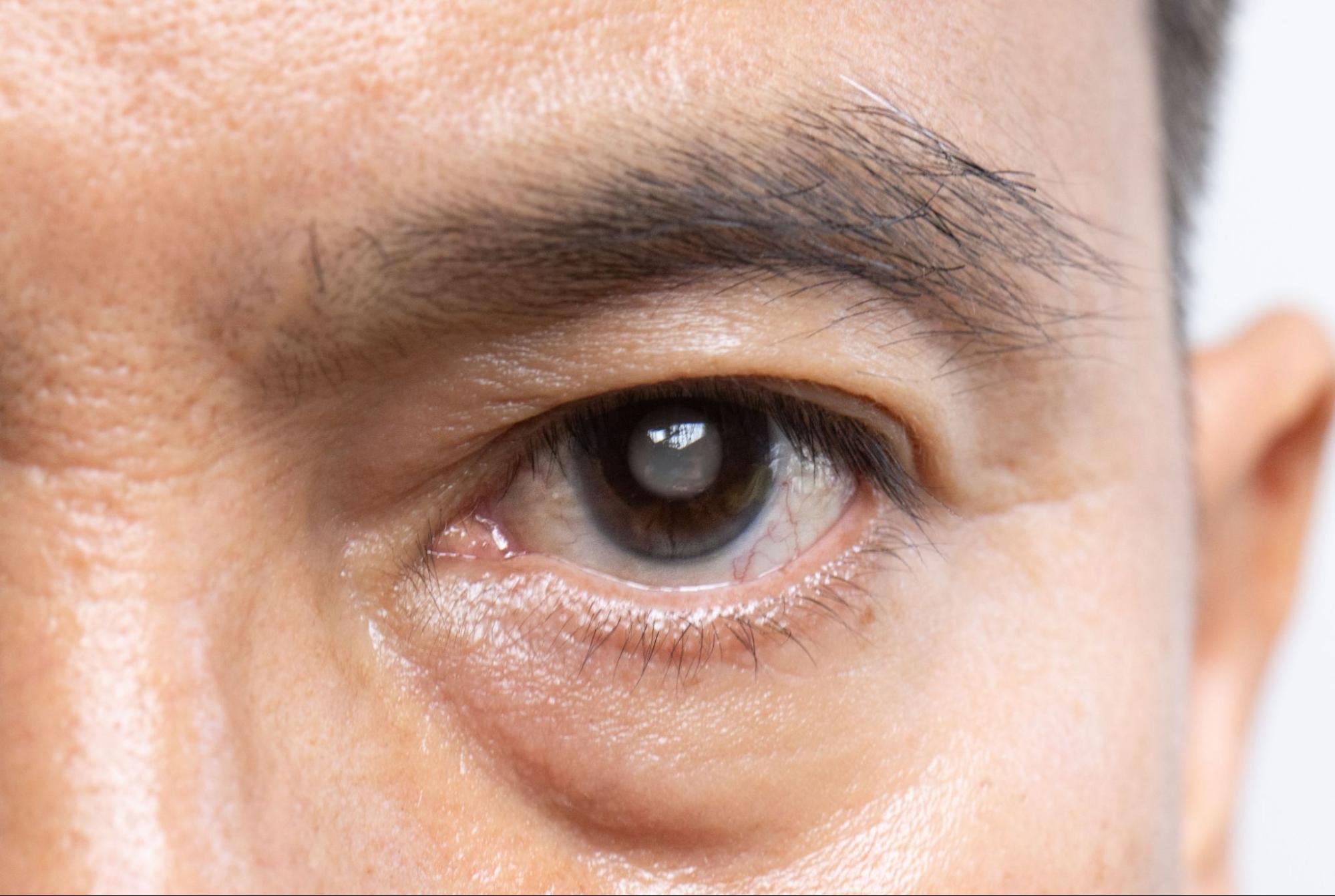
Cataract surgery is a safe and effective way to restore clear vision by removing the cloudy lens from the eye.
Cataracts often develop as people age, leading to blurry vision, faded colors, glare sensitivity, and difficulty seeing at night.
These symptoms can make everyday activities, like driving, challenging.
During cataract surgery, a doctor makes a small cut in the eye to take out the cloudy lens and replace it with a clear artificial lens called an intraocular lens (IOL).
The surgery is usually done on an outpatient basis and takes less than 30 minutes for each eye.
Thanks to modern techniques like phacoemulsification, recovery is quick, and most patients notice improvements in their vision within a few days.
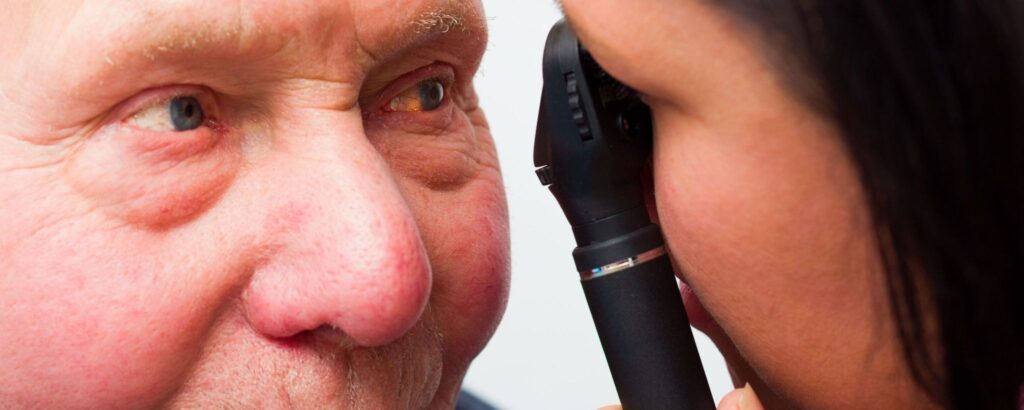
After your surgery, optometrists at our Vision Care Centre will check your condition with regular follow-ups and exams.
What to Expect Right After Cataract Surgery
Cataract surgery is a common and successful eye procedure in Canada.
The surgery takes less than 30 minutes for each eye and is performed using local anesthesia.
Most patients feel little to no pain, but their vision may be blurry afterward due to eye dilation, light sensitivity, and the healing of the incision on the cornea.
Because of these temporary effects, you cannot drive yourself home after the surgery.
You will need someone to accompany you and help you get home safely.
Most clinics require that a trusted family member or friend pick you up after the procedure.
So, How Long After Cataract Surgery Can You Drive?
Most patients can start driving again 24 to 72 hours after cataract surgery.
But this timing depends on a few factors:
- How clear your vision is after surgery
- If you had surgery on both eyes
- Whether you can meet the legal vision standards for driving in Ontario
In general:
24 hours
Some patients see quickly and may feel ready to drive the next day. However, you should only do this after a post-operative eye exam that confirms it’s safe.
48 to 72 hours
Most people get the go-ahead to drive within this timeframe.
At your first follow-up appointment, usually 24–48 hours after surgery, your eye doctor will check your vision and decide if you can drive.
1 week or more
In some cases, such as when complications arise or separate treatments are required for both eyes, your surgeon may recommend waiting longer before driving.
Ontario Driving Vision Requirements
To drive legally in Ontario, you must meet certain vision standards.
- You need to have a visual acuity of 20/50 or better in one or both eyes.
- You must also have a horizontal visual field of at least 120 continuous degrees.
After cataract surgery, many patients notice better clarity and depth perception.
However, the only way to know if you can drive again is to have a formal eye exam after the surgery.
Factors That Can Delay Driving After Cataract Surgery
Most people recover easily after eye surgery, but some things can delay your ability to drive:
1. Blurry vision: It takes time to heal. Some patients may still see foggy for several days.
2. Light sensitivity: Bright lights, like headlights or sunlight, can be uncomfortable.
3. Second eye surgery: If you have surgery on your second eye soon, your vision may not be balanced yet.
4. Infection or complications: While rare, problems like inflammation or high eye pressure can slow down recovery.
Tips for Returning to Driving After Cataract Surgery
After your eye doctor says it’s okay, keep these tips in mind as you start driving again:
- Take a short drive during the day before going on longer drives or driving at night.
- Your eyes might still be sensitive to sunlight, so wear UV-protective sunglasses to help with discomfort.
- Avoid highways or busy traffic until you feel fully confident.
- If you feel disoriented, unfocused, or unsure, take your time and don’t rush.
In Summary
It’s always important to know how long after cataract surgery can you drive.
Most patients can drive within a few days, but you should wait until a professional checks your vision.
At Visual Care Centre, we support you on your journey to clearer vision and a safe return to driving.
Schedule a consultation today for a Cataract Exam & Management in Scarborough.