

Are your eyes red, itchy, and irritated? You might be wondering if it’s pink eye.
Every year, many Canadians have symptoms that suggest conjunctivitis, which is the medical term for pink eye.
However, this condition is often misdiagnosed.
So, what is commonly misdiagnosed as pink eye, and how can you tell the difference?
At Visual Care Centre, we often see patients who have been told they have pink eye when they actually have another eye condition.
In this article, we will explain the common eye problems that can look like pink eye, how to identify them, and when you should seek expert help.
What Is Pink Eye, Exactly?
Pink eye, or conjunctivitis, happens when the clear membrane (the conjunctiva) that covers the white part of your eyes and the inside of your eyelids gets all inflamed.
You’ll usually notice symptoms like redness, itching, burning, tearing, or watery discharge.
Some people also feel like there’s something gritty in their eye or have crusty eyelids when they wake up.
There are different kinds of conjunctivitis:
- Viral: This type is highly contagious and produces watery discharge.
- Bacterial: This type is contagious as well, with a thick yellow or green discharge.
- Allergic: This type causes itching and watery eyes, affects both eyes, and is not contagious.
But just because your eyes are red and irritated doesn’t mean you definitely have pink eye.
There are other conditions that can look similar to conjunctivitis.
What Could Be Mistaken for Pink Eye?
When patients ask what is commonly misdiagnosed as pink eye, they often mention symptoms like eye redness, irritation, and discharge, which are typical signs of pink eye.
However, these same symptoms can also be associated with other eye conditions.
Here are some of the most common conditions that are similar to pink eye:

If you have any discomfort in your eyes or issues with your vision, it’s best to visit a vision centre for a proper diagnosis. Schedule an appointment.
1. Dry Eye Syndrome
Dry eyes can cause redness, irritation, and watery discharge, which may be confused with pink eye, especially allergic conjunctivitis.
However, dry eye is different. It happens when your eyes do not make enough tears or when tears evaporate too quickly.
If you’ve got dry eyes, you might notice:
- A gritty feeling like there’s something in your eye
- Blurred vision that comes and goes
- Sensitivity to light
- Red, tired eyes, especially as the day goes on
At Visual Care Centre, we often discover that adults who think they have “chronic pink eye” are actually dealing with untreated dry eye syndrome.
Fortunately, we offer treatment for dry eyes.
2. Blepharitis
Blepharitis is inflammation of the eyelids that leads to redness and crusting, similar to bacterial conjunctivitis.
The main difference is that blepharitis usually affects the base of the eyelashes and can be chronic or recurring.
Here’s what you might experience:
- Swollen, red eyelids
- Crusty lashes in the morning
- Flaking like dandruff
- Burning or stinging sensation
Since the symptoms can resemble bacterial pink eye, blepharitis often gets misdiagnosed, especially in regular check-ups.
Treatment typically involves warm compresses, lid scrubs, and sometimes medicated ointments.
3. Corneal Abrasions
If you scratch your cornea, it can lead to sudden redness, tearing, and pain, which can be confused with acute conjunctivitis.
But corneal abrasions tend to hurt a lot more and can cause light sensitivity and blurry vision.
This condition typically affects only one eye and happens suddenly after trauma, such as rubbing your eye too hard or getting sand in it.
Because the redness and discomfort can resemble viral pink eye, a thorough eye exam is necessary to detect the injury.
4. Uveitis
Uveitis is when the uvea, the eye’s middle layer, gets inflamed.
This condition is way more serious than pink eye and could be linked to autoimmune issues like rheumatoid arthritis or lupus.
Some overlapping symptoms with conjunctivitis include redness, pain, light sensitivity, and blurred vision.
However, uveitis often causes a deeper kind of pain and can lead to vision loss if not treated.
If you’ve been told you have conjunctivitis but your symptoms aren’t getting better or are getting worse, it’s time to get an eye exam ASAP.
5. Subconjunctival hemorrhage
This happens when a tiny blood vessel bursts on the surface of your eye, creating a bright red spot.
While it looks scary, it’s usually harmless and painless.
Since the eye looks pretty red, some people jump to the conclusion that it’s an infection like pink eye.
But key points are that there isn’t any discharge, pain, or change in vision.
It typically only affects the white part of the eye and can happen after things like coughing or sneezing.
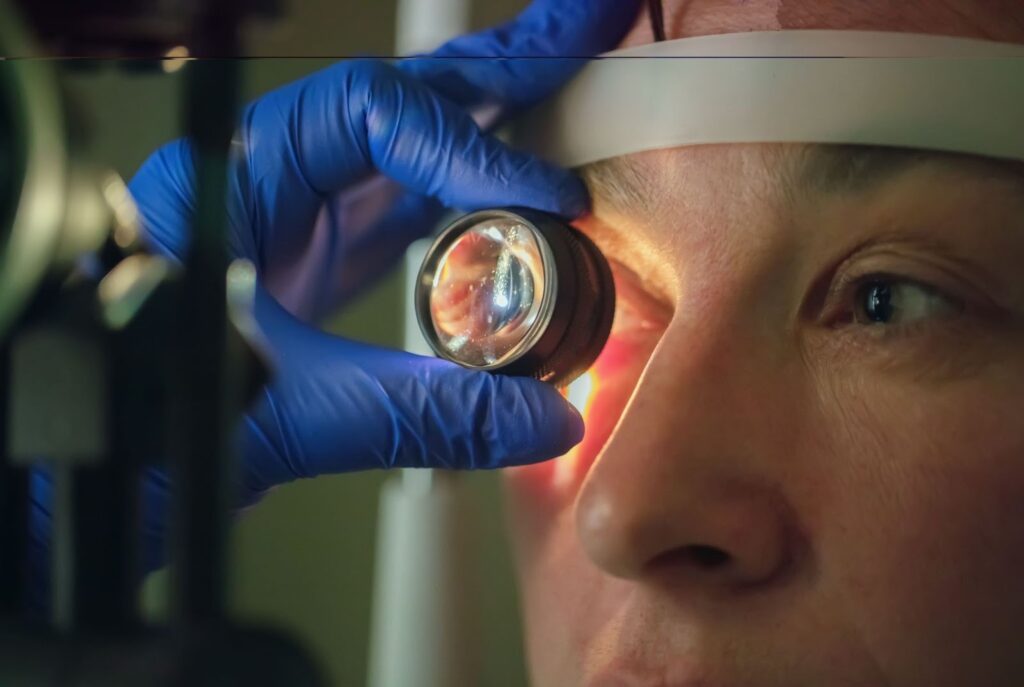
A proper eye exam can easily clear up this type of misdiagnosis, which we offer at Visual Care Centre with same-day appointments available.
When to See an Optometrist
If you have pink eye and notice any of the following, make sure to schedule an eye exam right away:
- No improvement after 2–3 days of treatment
- Severe pain or sensitivity to light
- Blurred vision or loss of vision
- Only one eye is affected
- You have been diagnosed with “pink eye” multiple times
In Summary
So, what is commonly misdiagnosed as pink eye?
Conditions like dry eye, blepharitis, corneal injuries, uveitis, and subconjunctival hemorrhages can look like conjunctivitis.
To get an accurate diagnosis and effective treatment, you need a thorough eye exam by a trained specialist.
Book an appointment today, and our team will help you find long-term relief.